Saturday, July 30, 2016

US AGAINST THEM

When did we get to where we can’t talk anymore, or have reasonable discussions about anything? The only time people will converse anymore is when they agree in every detail with the person they’re having a conversation with, and anyone who doesn’t agree has horns and a forked tail. Everybody has OPINIONS and their OPINION is the only one that’s valid. If you don’t agree, or maybe have a different opinion, then you’re slimy scum and don’t deserve to be treated with respect or decency.  Do we not have time anymore to be polite? Is it just too much trouble to be kind, to temper your words or comments? Has our society become so self-centered that we don’t care when we hurt someone’s feelings? And if that’s so, how will we ever be able to come together in peace and with love again? Am I the only one who finds this distressing? Does anybody have a solution? Does a solution even exist?

It’s kind of like trying to keep a marriage together when only one person is making all the effort. Society is just too big and unruly, and we have gone wrong somewhere along the line. Please don’t say the answer is religion, because I know people who quote scripture and appear in church every week, who are just as snarky, just as mean-spirited, and just as judgmental as anybody else. In fact, it sometimes seems that the church-people have a superior attitude about things simply because they DO attend church and believe they have all the answers.

One of the problems is that we are so blasted with opinion from the talking heads on television, or anyway, it seems to have started with that, the 24-hour cable news channel. There just isn’t enough news to warrant 24-hours of it so they fill the time with pundits, panel discussions, and over-coverage of events that should only take a few minutes. The 24-hour cable news channels in essence TELL us what to care about by the way they cover events and incidents, and chose what news we get to see and what gets ignored. People who watch these endless news channels end up angry and in-your-face on every issue.

The other problem is social media, where snarky one-liners rule the day. Everybody is trying to one-up the other guy, be just a little more clever with their turn of phrase than the last person who posted. Wittiness devolves into meanness and insult, and on and on until you shut down your computer with your blood boiling hot. 

The Golden Rule doesn't seem to exist anymore. But I cannot believe--I will not believe--that there is anybody out there who actually enjoys being insulted and bitch-slapped with words every time they try to have a meaningful discussion about anything important. So why don't we try to be nicer to each other? Why don't we try to find out why the other person feels the way they do about a thing, instead of just throwing out insults? Or why don't we try to have a thoughtful discussion without it turning into a hollering match? I find myself silenced most of the time by dread of confrontation. And the end result of that is either disengagement or meaningless small talk. 

People have become so tribal and all those tribes have declared all-out war on each other: the tribe of freethinkers, the tribe of religion, the pro-choice tribe, the pro-life tribe, the gay-rights tribe, the Christian-rights tribe, the gun-rights tribe, the gun-control tribe, and on and on, until it's just heartbreaking. The feeling is the only tribe that has a right to exist is the one you belong to. It makes for an uneasy, us-against-them, world. 

Maybe the only solution is to tune out the noise. To get quiet with yourself. To go fishing. I don't know. I just wish people could be a little kinder to each other and treat each other with a little more respect. 


Onward….

Sunday, July 10, 2016

THE TRIALS AND TRIBULATIONS OF A GARDEN…OH, AND ALSO THE JOY

When we lived in the mountains, I kept trying to grow tomatoes. I grew them in two rolling planters that had cages mounted inside them. I tried that old standby Early Girl, for fast tomatoes, and a slower cherry tomato variety. I had limited luck. For one thing, the growing season begins there around May 20th and ends about August 31st – way too short of a season for most tomato varieties. The other problem was the cool (make that cold) nights spanning all the way through the summer. And finally, the air was thin, which made it hard for the plants (and me) to breathe. All of these conditions were not conducive to gardening, and how I missed it.

I have a gardening gene. Maybe it comes from my farmer ancestors. Daddy gardened until the day he died. And I believe that his mother did as well. The crepe myrtles and althea that grew around the house where I lived during my childhood were planted by Daddy’s mother. She had grown them from cuttings she started in coffee cans. She cut out the bottoms of the cans, and planted them, can and all, between the windows in our house. The coffee cans eventually rusted away, giving the plants a good foundation of iron, something most flowering bushes need to flouish. I wonder if she knew this when she planted them that way or if it was a happy accident resulting from her economical, old-fashioned ways. At any rate, those crepe myrtles and the althea were huge by the time we moved away.

When I was a child, I planted a handful of radish seeds in the flower bed next to Granny’s bushes. Daddy had tomatoes, Swiss chard, and banana peppers growing there, too. Every day I went out to check the radish seeds. To my child’s mind, it seemed like forever before they finally sprouted. I took great joy in pulling up the mature radishes. I don’t remember eating them, just growing them, watering them, and scolding my dog when he tried to dig near where they were planted.


Now, that we are back in Texas, with the long, warm growing seasons, I plant my seeds inside in December. I take great pleasure in thumbing through all the seed catalogs that fill up the mailbox every Fall. The first year we were back, I bought way too many seeds, and nearly every one sprouted and grew into a plants. I mostly wanted tomatoes and they came up generously in the egg carton halves I use to hold my seedling mix. I was so delighted with this success, I could barely bring myself to thin the baby plants. I nursed them inside until they were big enough to re-pot and plant in the greenhouse outside. Finally in March, I moved them into the raised garden beds Wayne built for me in the sunshine.
They thrived through the nice wet spring, bloomed and dropped blooms, until I started spraying them with blossom set, tending to each fragile yellow bloom that appeared. It worked. I had a bumper crop of tomatoes that first year. And then the birds discovered that ripening tomatoes tasted like candy. The mockingbirds were the worst of the bunch, and the sneakiest. We put up bird netting, which worked until the plants began to grow through the tiny holes, then mattied underneath it. Pretty soon my tomato patch was a hopelessly tangled mess. But by then, I had okra to tend, and those plants soon became trees, towering over the garden. I needed a ladder to harvest all the okra hidden in the branches.

Year Two brought more of the same, except I chose to pick the tomatoes at first blush and ripen them inside, rather than fight with the birds. However,  Mother Nature sent me something new to contend with, a Tropical Storm named Bob. He blew over most of the tomatoes and broke the pepper plants in half. This year we are dealing with insufferable heat, indices in the 105 to 115 degree range. We’ve had so many tomatoes, we’re plain sick of eating them. I have given bags and bags away, and now they’re rotting in the fridge. I have peas and blackberries and figs in the freezer. And so many green beans, we turned green ourselves just thinking about them. Last night I microwaved a bag of Brussel sprouts from the grocery store, the first time we haven’t eaten from this garden since March. I miss the mountain summers.

When it’s 100 degrees outside, the garden is too much work. Yesterday I found myself looking out the den windows with binoculars to see if the okra really needs to be picked, or if it can stand one more brutal day. Stepping out the door is like entering a sauna. Watering every day is drudgery. I think I’m done with gardening. But of course when Fall arrives, I know I'll once again thumb through catalogs and buy too many seeds for next year. I can’t help myself. It’s in my blood.

Onward….

Sunday, July 3, 2016

Giving Myself Away

For the past two years, I've been giving away my time to the county where I live, working as the Elections Administrator. When I was hired, I was told it was a part time job, three days a week, more around elections. Foolishly I thought it would allow me plenty of time to write while earning bill-paying money at the same time. Oh, how naive I was! For two years I haven't written a word. Not even here on this blog.

At first, I was learning the job, or trying to. And that learning process just went on and on and on. After about 15 months, the fog finally began to clear and I felt like I knew the job fairly well. And it has been a complicated job, a test of my endurance, not to mention stress-filled. It turned out to be one of those jobs where every day was different, where you had ten balls in the air while you tried to jungle one or two of them. It was presented as a part time job to me by people who had no idea what all was involved, and for 27 months I have tried like hell to make it a part time job. But on May 19th, I gave the county judge my resignation, told him he needed to hire someone full-time, someone younger, someone who is looking for a career, because there is a lot of schooling, and certifications that a person can get if they are making it a career. But as for me, I'm done, and I can see my freedom.

When I gave my notice, I told the judge that I would stay until they found my replacement, or until the end of this budget year, which ends on September 30th. After over a month, the job listing was finally posted online, in the newspapers, etc. and a few -- damned few -- applicants have started interviewing. I have been tasked with holding the first screening interviews. So far, no bright stars have appeared. And for someone who wants a career, this is a good job, one of the better jobs around here. It has insurance benefits and a retirement program, and a good working environment. Part of me knows that I was lucky to find the job, but the other part of me resented the time it took from my life, at this time in my life, and I have already had a career or two, or three, and was not looking for another. I have one career, one calling, that has been neglected for far too long, and I'm raring the get back to it.

Writing….. have I been out of the fray too long? Maybe so. The writing industry has certainly undergone a major transformation, due primarily to internet publishing, but I personally think that's a good thing. It needed transforming. I have a lot to learn yet about all that. My four old novels continue to earn money because of the internet, and I'm grateful for that. The first thing I want to do is finally finish "The Endless Novel." I have reread it and am pleased, more or less, with how much is there. It needs some bending and blocking and propping up. I've always thought of novel writing as construction -- literally -- building a story scene by scene, bit of dialog by bit, carving away any fluff, sculpting what is leftover. Sometimes it takes getting away from it for a while to be able to see it as a whole, and I've sure been away for a long while. So it ought to be completely clear to me, right? By now?

The next thing I want to do is try my hand at article writing. I've done a little, but I want to do a whole lot more of it. And that means having to learn about that, too. I've got so many unfinished projects in my file cabinet and on my computers. If I work as hard at writing and finishing some of these projects, as I have worked at the Elections Administrator job, I should make a lot of progress. That's my goal.

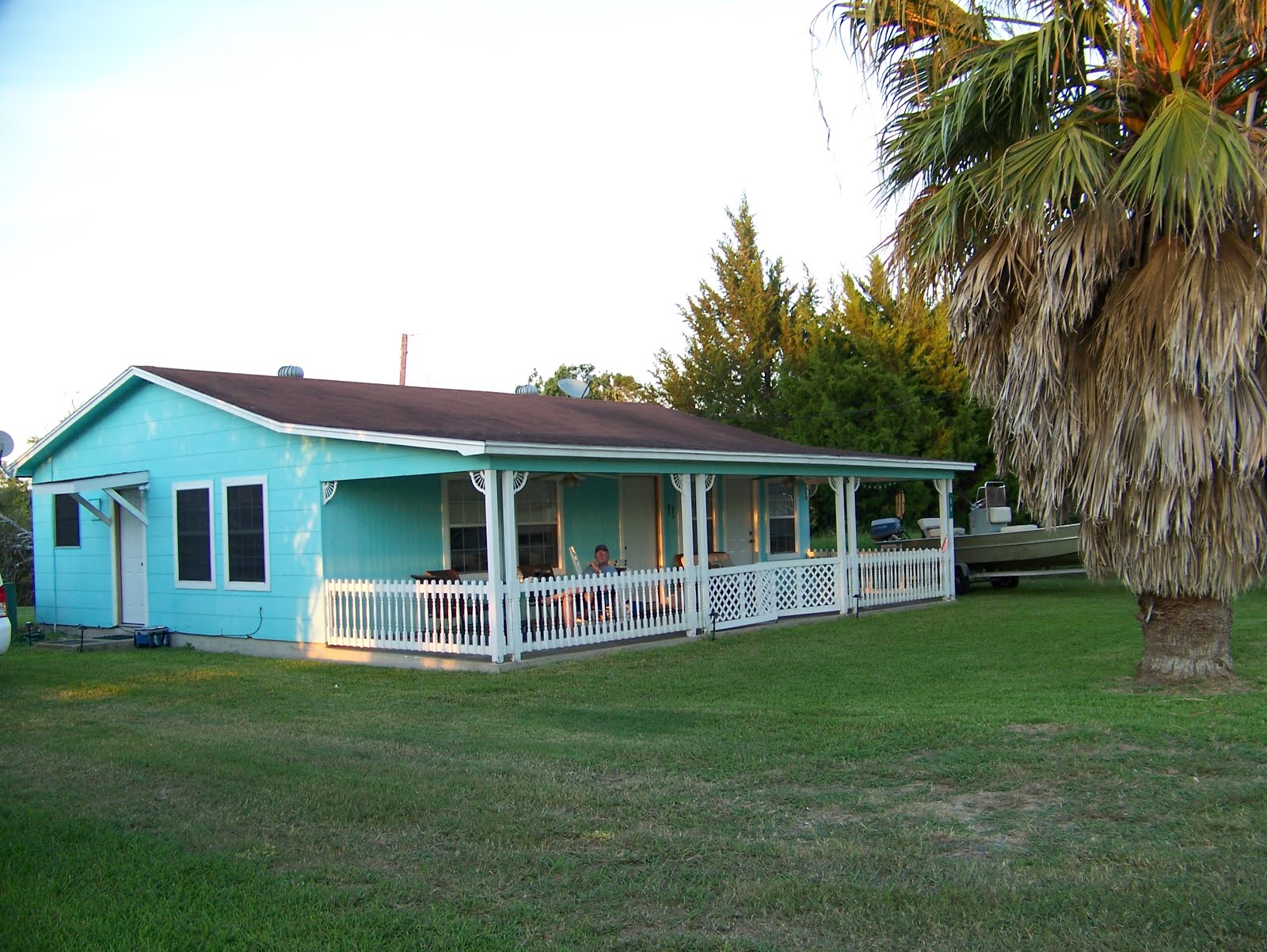
Meanwhile, a few life changes have transpired in the last two years. The house in the mountains finally sold. I took a big loss on it but cut my losses at the same time. And then we bought a weekend cottage on the coast, only an hour and a half away so that we can go there a lot more often. Wayne and I are still together, still in love, after 9 years now. And we have a new addition to our family -- Sam, the orange tabby I found outside the Elections Office 22 months ago. He was a baby then. Mostly he's a laugh-riot, but at other times I want to strangle him, like when he turned over the flat-screen television at the cottage last weekend and broke it irreparably. Oh, but we love him anyway. And Lulu is still with us, older and slower. We cherish every day we have her now. She's been a loyal companion, most dear and easily the most intelligent pet I've ever known.

And so I'm back, and hope that anybody who once read this blog with any regularity will take it back up along with me. I still have lots of things to tell you. I will miss the money I was making while I was away, but not much else. Life's good.

Onward…..

Tuesday, February 25, 2014

My Beatles Experience

There has been a lot on television this month about the 50th anniversary of the appearance of the Beatles on The Ed Sullivan Show. It has prompted my own Beatles memories. I was 10 (coming up 11), and I saw that show. My best friend in school and I watched and then called each other. We were excited. We didn't really know why, we just were. She was my first "cool" friend. She taught me how to do the jerk, and other hip (at the time) dances.

I had another old friend who had moved away a year or two before, to Houston, which might as well have been to Mars back then. We didn't have cell phones, or even our own private phones. Our parents wouldn't let us call long distance. We could write letters, but that got old pretty quickly. That friend though, Carolyn, had the advantage of having parents who were also friends with my parents. So when they did come to Corpus we usually got to see each other. She was as Beatles-crazy as I was. All we did when we were together was talk about the Beatles. We daydreamed about them, and we played their records on my old box record player, endlessly. We were in love with the Beatles. All four of them. We had their pictures tacked on our walls. As soon as a new song came on the radio, we raced out to buy a 45.

In the early summer of 1965, Carolyn and her parents came to visit. They had a proposal to make to my parents. Carolyn was busting with excitement. The Beatles were coming to Houston, and at that moment, as we whispered in my lavender room, her parents were asking my parents if I could come to Houston and attend the Beatles concert with her and another girlfriend of hers. I felt the breath go out of my lungs, and it stayed out for about an hour before my parents called me into the kitchen where they had been talking with Carolyn's parents. What did I think about the idea of going to Houston to see the Beatles in August? WHAT DID I THINK?……!!!

I really couldn't believe that my parents were going to let me go. I would be 12 by then, which seemed very old to me, but they never had thought so before. And they were going to pay for me to FLY to Houston, where Carolyn and her dad would meet me at the Hobby airport. I had never been on a plane before. The prospect of a plane trip, by myself, was almost as exciting as the idea of actually seeing the Beatles in person. The days dragged by that summer. Unbelievably slow.

But finally August arrived. My bag was packed. I had on my best satin and lace dress, complete with stockings, low-heeled T-strap shoes, and gloves. We got dressed up to go on airplanes back in those days. Mother and Daddy took me to the airport and walked me out the terminal door onto the tarmac. They kissed me goodbye at the base of the rolling stairway that rose up into the plane. The Corpus airport had no "jetway" at that time. Nobody had heard of such a thing. You walked people right out onto the runways and said goodbye just before they stepped up onto the plane. Times were much simpler, and nobody flew around the country just for work or the hell of it. An airplane ride was something special, and rare.

I was nervous. The stewardess showed me to a window seat. The big propellers on the plane started to whirl. They were loud. As the airplane took off, I was transfixed. I pressed my face to glass and watched the cars on the road below turn into toys. We rose above clouds that had rainbows gleaming inside them. I adored every single second of that plane ride. In about an hour, we landed at the Houston airport. Carolyn and both her parents were there to meet me. Carolyn's mother said I looked elegant in my gloves and lacy dress. I felt grown up and sophisticated.

That night we went to the Sharpstown Mall. We didn't have a mall in Corpus yet and I was fascinated by all the stores under one big roof. We went to a record store. They had posters all over advertising the Beatles concert that was sold out for the next day. We flirted with some boys that were hanging around in there. I had on a Mary Quaint style mini-dress, blue with an empire waist and flared sleeves. I bought a 45 of a song I had heard on the radio by some new recording artists named Sonny and Cher. The song was "Baby Don't Go." Carolyn and I played it over and over on her box record player that night. We were hyped and hardly slept a wink.

How we got to the Houston Coliseum the next day is foggy in my memory. So is the other girl who went along with us. She was Carolyn's friend and after that trip, I never saw or heard from her again, but the three of us were the very best of friends all that day. Carolyn's dad drove us, and before he let us out at the curb, he handed us all our tickets. I still have the stub. The general admission ticket cost $5.00. I guess Mother and Daddy paid for it. I'm not sure.


The place was packed. Later they said 10,000 people, mostly girls, filled the Coliseum. There were several opening acts that we all endured with polite applause, but nobody listened much. The Master of Ceremonies, a radio deejay called "The Weird Beard" got up on stage and announced that the Beatles were in the house. The place erupted. Out they came, looking just like they did in magazine pictures. Girls screamed and the whole place surged forward. They started playing "Twist and Shout." The crowd went wild. Girls were trying to get up onstage, but a line of policemen had blocked their way. The three of us stood up on our seats like everybody else but still we couldn't see them well. You could feel the bass and hear the drum, but the rest of the music was lost in the screaming.

Carolyn nudged me. She and her friend had an idea. She was pointing down at the floor. In the pandemonium I couldn't hear her at all, but I followed her lead. The three of us got down on the floor beneath the seats and crawled. We were only about five seats from the aisle, and when we got there, we were stopped by a policeman who motioned for us to go back. Carolyn just shook her head fiercely and motioned that we wanted to leave. The policeman let us by and we went in the opposite direction from the stage. Carolyn's friend lead the way; I guess she was familiar with the layout of the Coliseum. She took us up to the balcony which had emptied when the Beatles came on the stage. We went all the way to the front of the balcony, sat down, and had a bird's eye view of the whole band: John in his slouch hat, Ringo's fists full of flashing rings, all in their matching suits and mop-tops swinging. It was fabulous, an experience of a lifetime. It was all over in about 30 minutes, and we were emotional and subdued as we left the Coliseum.

Funny that the plane ride back to Corpus is gone from my memory. Or maybe Carolyn's parents drove me back, I just don't remember. Everything that happened after the concert was anti-climatic and unimportant. But I had seen the Beatles. In person. When school started again a few weeks later, I was the envy of everyone who believed me. A lot of them didn't. Thought I was bragging. Probably I was. Probably I rubbed it in a little too much. I know I felt pretty special. I still do.

Monday, February 3, 2014

Deep Winter Blues

So far, it has been a long winter and I'm tired of it. One of the reasons I wanted to move back to Texas was because the winters were so endless and dreary in Northern New Mexico. I was tired of having to stay bundled up in layers of clothes for months on end, and so what happens? The first winter we're back in Texas is one of the coldest on record. Of course. And I've been bundled in layers for weeks and weeks now.

I have packets of seeds waiting to be planted. I want to set up my potting bench and get started. I want to do a raised bed garden in the backyard, and I have the plots all planned and drawn out. I am ready to start buying garden soil and ready to get my hands dirty. I have missed gardening so so much.

When I was a kid working in the yard was drudgery. Punishment. I hated everything about it, and thought my parents were cruel slave-drivers when they made me and my brother do anything out there. All through my twenties I had the same opinion about it. So when did that change?

We had a nursery in the 1980s, my ex and I, and maybe that was when I started to realize how soothing garden work could be. It occupies my body but it quiets my mind. Luckily for me, there's almost always something to do in a garden, even if it's just watering and watching my creations grow. There is a true miracle inside a seed or a bulb. The snowdrops I planted back in October, when the workers were here laying flooring and carpet, when I just needed to get out of their way and out of the noise, those bulbs have already begun to come up, little shoots braving the world like green arrows shooting out of the ground. Probably not this year, but maybe next, they will flower and hopefully spread along the edge of a future planting bed. I put them there with that in mind.

There is something hopeful about gardening, trusting in nature, in the inevitability of a seed or a bulb. I like doing it from scratch, but I also sometimes know when to accept defeat and go to the garden center for 6-packs of ready-made plants. I never have had much luck with growing peppers from seed, but I have three packets and am about to try again. There's the hope I was talking about, that this time I will find success in a prosperous little pepper seed.

I have been collecting egg cartons and grocery store pie containers. The pie containers make great little mini-greenhouses, the ones with the clear plastic lids. Poke a few holes in the bottom pie-shaped part with an ice pick, fill with seedling mix, water, plant a few seeds, put the clear lid on, and voila! Mini-greenhouse. In about 10 days the miracle begins. Egg carton bottoms, especially the Styrofoam kind, make nice cell packs. Use the trusty ice pick again to puncture the bottom of each egg cup, fill with the seedling mix, water, plant two to a cell, and in 10 days or so, voila! It's important to water before you plant so the seed won't wash away. And the seedling mix you can buy almost anywhere is fine enough for baby plants to push through. I have a greenhouse shelf unit I tried to use in the mountains. I never had much luck there, but maybe this spring, in South Texas, I can put it to work.

A Gardener's Edge catalog came in the mail the other day. I have pored over it for days now. There is a backyard greenhouse on the last page that looks exactly like the one I had at the Buffalo Wallow. The price of it is about the same as I paid five years ago, so that's not the issue. But do I want to go through all that assembly again? And here I don't have the concrete pad like I had there to set it on once it's assembled. I think I probably will have a greenhouse again, just maybe not this year. The weather has been abysmal. I believe I've been colder here than I was in 12 degrees with two feet of snow in the mountains. The thought of having to go through 50 pages of assembly instructions to build that greenhouse in a cold back yard makes me shiver.

I don't think a groundhog would have seen his shadow here yesterday. So doesn't that mean winter is nearly over? Or do we have to go by what happened up there in Pennsylvania where Punxsutawney Phil supposedly saw his shadow yesterday? What does Pennsylvania weather have to do with our weather down here? I can't remember what the Groundhog Day rules are, but I do know, I'm ready for Spring. More than ready. My fingernails need dirt under them!!

Friday, January 31, 2014

Daddy's War

It is almost a year now since Daddy died. The time has gone by really fast, and yet so much has happened in that year. I still miss him daily. The time at the end was frustrating. I really believed that he was going to get better. It wasn't until a couple of days before he died that it actually hit me how much trouble he was in. I never thought in my wildest imaginings that it would end the way it did.

Once he was gone, so many stark and surreal decisions had to be made. His house was a wreck. I had known that much was coming, having to wade through all that mess. His office was cluttered with years and years of papers. He never threw anything away. And it was often difficult to determine what was garbage and what was something that needed to be saved. But there were also so many surprises, like the daily journals he kept for decades upon decades. There were more formal memoirs he had typed and gone over. There was a World War II diary, a tiny little booklet inside a Ziploc. There were tokens treasured throughout the years, some of which I still don't understand. He had a rock collection, but he never labeled any of the rocks, so I didn't know their significance. There were cartoon figurines, dozens and dozens of loose photographs, and albums so carefully assembled by Mother after she retired. There were letters from relatives and friends, some of whom I did not know. And it went on and on, the detritus of a lifetime. And what does a survivor do with all this ocean of stuff!

I adored my daddy. He was always my fall-back, my go-to, my guide through the minefield. We had a special friendship, a mutual admiration and respect for each other. All my life I was simply a big-time Daddy's girl. It wasn't easy to wade through all the remnants of his days on this earth, especially not right then, when his death was still such an open wound. With the help of my SO we hauled off bags and bags of throw-away. Some of the things that ended up in the fire pit at my SO's place, were sentimentally valuable. Some of those things wound up there unintentionally. I didn't know what they were -- trip logs from the many many cruises and car trips my parents went on, photos of long-forgotten places. I foolishly thought I could get it all down to one box. One small storage bin, something more manageable than this whole house full of nostalgia. Those weeks of cleaning house were a huge struggle. I was looking for important things, but how to tell exactly what that was or might be. I was looking for legacy. I ended up with several boxes, and more than one bin. I ended up with priceless photographs, pages of memoirs, and treasures that have found special places in my life now. But I know I also know that I inadvertently threw some of those treasures away.

And then there was his World War uniform. Hanging inside a heavy garment bag in the office closet. I knew it was there. It wasn't a huge surprise. I had come upon it many times in my girlhood, when it didn't mean much to me. Everybody's dad had fought in the War. It was still pretty fresh in the 50s and 60s. Daddy's best friend had lost both his legs in the War, in the Battle of the Hurtgen Forest. Another friend had a deformed hand, a wound received when his unit invaded Italy at Salerno. When asked what he did in the War, Daddy always said he was "footman." I didn't know what that meant, but it satisfied me and I repeated it many times. But the truth is, he was in a unit of the Army Air Corp that repaired B-24 bombers damaged in combat. He never fired his weapon in battle, but his squadron was frequently under bombardment. Statistics I have read say that it took 25 men in support units to enable a single fighting man to do the actual business of dispatching the enemy. Daddy was one of those 25.

At first he worked in the sheet metal factory, repairing flak holes in bomber skins. Then he was in the propeller unit, repairing bent up props that had crash-landed or been otherwise shot up. He packed parachutes for a time, a job that probably seemed small and inconsequential but that saved so many lives. Then one day, about halfway through the war, the CO of Daddy's unit asked in desperation "Does anybody around here know how to type?" Before the War Daddy had worked for Western Union. He had typed, in kind of hunt and peck fashion, a few telegraph communiques. He raised his hand in answer to his CO's query, and became the squadron typist. He got pretty good at it, and was promoted to corporal, the youngest man in his squadron. They called him "Baby," which was the same thing he was called at home, so it felt normal to him. In fact, the whole experience of war was pretty good, his coming of age years, and his memories of those days attested to that. Which was why he kept his uniform so neat and clean in that garment bag for 67 years. He had gotten married in that uniform, because it was the only suit of clothing he had that fit him after the war, and lots of servicemen got married in theirs, too, in that year of a hundred million weddings -- 1946.

There it was, still hanging in his closet, same as it had been when I was a kid. But what to do with it now?

A dozen years before I had met and befriended a man who had been a fighter pilot in the War. He had helped me with research I was doing on a novel. We had met several times for lunch, and I had visited him and his wife at their home. He had shown me a foot locker filled with his War memorabilia. There were invaluable things in that foot locker, 50-caliber shell casings fired from the guns of his plane, a fighter pilot's oxygen map, a survival kit, a Nazi flag he had captured, and on and on and on. I had said to him, "Jack, this stuff should be in a museum." And he had answered that was a decision that would have to be made by his heirs.

Heirs indeed. Now, I was having to make that decision. Daddy's uniform, the big leftover keepsake of my father's war, should also be in a museum. It was pristine, looked the same as it had when he last took it off and hung it in the closet. No moth holes. No ragged places. No rusty spots. It was still olive drab, with all the appliques neatly sewn on where they should be. It was museum-quality. I started calling around. I really had no idea where to even begin. I spent several days on it, and finally, lo and behold, someone returned my call. A man who ran the local museum in the town where Daddy had spent the last 18 years of his life. They were collecting things for a military exhibit. He did not have an Army Air Corp uniform. He was excited by the uniform and wondered if I had other things that could be added, any letters, diary entries, could I write a little something about his service in the War. Of course, I could. That's what I am, a writer, and I had listened to Daddy's War Stories all my life. I had escorted him, and even hosted, one of his Squadron Reunions. I started going through his memorabilia with an eye towards what might make a more interesting exhibit in a museum.

This past Monday, January 27, 2014, almost exactly one year after he died, Daddy's museum exhibit opened. He isn't the only soldier honored there, but he is one of them, and his is the first thing you see when you enter the front doors. I almost could feel him smiling at me when I looked at it there, on opening day.

Tuesday, December 17, 2013

The Soft, Paisley Room (appeared 07/11/1999, in Raleigh NC The News & Observer)

The nurse beckoned us from our cold, hard chairs where, for the past three hours, we had sat with our silence and our caffeine highs, while life in the surgery waiting room buzzed around us. Headline News had been droning repeatedly on the TV about some terrorist's bombing in London, about bad weather churning over the Midwest, a near-miss on a Dallas runway.

Daddy said, "I believe she means us," as he nudged me to look up at the nurse in the doorway. Her face seemed all at once, kind yet commanding. Daddy and I rose in unison, like marionettes, and went toward her:

"This way," she said, guiding us six steps down the hallway.

She stopped at a blond oak door; smiled at us, and used a key on a chain around her waist. The door was one you would just walk right past under normal circumstances, supposing  behind it was a storage room or something equally as nondescript, as you hunted your way down this corridor, eyes lifted toward the signs -- ICU, Surgery, Nurse's Station -- leading you through the starched white hospital maze.

"The doctor will be with you shortly," the nurse said. She stood with her back plastered against the heavy door, holding open the pneumatic hinges for us to pass. "Make yourselves comfy."

We stepped into a small rectangle, not much bigger than a walk-in closet, a plush cubicle of spongy off-white carpet that my sandals sank into. A chintz-covered, overstuffed love seat lined one wall, a wall papered in blue paisleys. A picture in a green frame hung there, all shades of blue, hints of lemon and lavender -- a balcony window on a Tuscany street maybe. Soft light fell from a ginger jar lamp on the end table. A pink box of Kleenex rested there, too. I chose the deep-seated wing chair of mauve and mahogany against the other wall. Daddy took the love seat, perched himself on the edge, holding himself away from its cushiony folds. Both of us sat numb and hovering for a few seconds, taking in the antiseptic air around us.

"Usually they just tell you out in the hall." Daddy teetered a little on the edge of the love seat.

"That's what I was thinking." I eyed the Kleenex box, and also Daddy's stout hands locked together. His elbows rested on his knees. "I didn't even know they had these little rooms," I added.

"Me neither."

He had a habit of sucking at his teeth, just a little popping suck you mostly ignored, something to do with adjusting his ill-fitting partial plates. But he made that noise just then and the sound of it saturated the room. His face stayed frozen on the carpet. Silence settled again between us.

When the door burst open, we both jumped. Dr. Jackson, a tall bounding man, suddenly filled up the room with his rustling white coat, his clipboard and his energy. He called me by my first name, said hello with a nod, then sat down on the love seat beside Daddy. The size of Dr. Jackson made Daddy seem small.

"I'm afraid I've got bad news this time," he said to Daddy. "It's cancer."

"Aw, heck," came Daddy's reflexive answer at that straight-forward word: cancer.

I felt a knot double in my gut. I eyed the Kleenex box again.

"It's already metastasized throughout the lymph system." Dr. Jackson pointed with two fingers at his own collarbone, the place where Mother found her lump. "I went ahead and removed the tumor, but the primary source is somewhere else."

Daddy's head kept nodding like a bobble-head doll. I reached for his hand. He clasped hold of mine tightly. We weren't the hand-clasping sort, and immediately the gesture felt awkward to me. When do you let go? How long is long enough to hold on? Ours was a good-luck family, a family of benign tumors and false alarms, and long lives. We didn't have need of soft, cushy rooms, or pink boxes of Kleenex, or prints of Tuscany -- or of tightly clasped hands.

"The next step," Dr. Jackson said, his voice pingponging around the quiet room, "will be to run more specific tests to determine the exact type of cancer it is, and the location. I'm recommending you to Dr. Barnes. He's the best oncologist around. I've already contacted his office."

"Does Mother know yet?" I asked, my voice finally finding itself, but an octave higher.

Dr. Jackson's bright eyes shifted to me. "She's still waking up in recovery."

"Will you be the one to tell her?" Daddy sounded anxious.

"If you'd like me to," Dr. Jackson answered.

Daddy grinned, an almost skeletal grin, and completely out of place. "I believe you could do it better than me. I don't think I'd know how to say it right."

"All right, then." The doctor started up from the love seat, finished with us and ready to put his energy somewhere else. Daddy and I stood, too. We shook hands, politely exchanged some empty words.

"Take your time in here," Dr. Jackson said, from the open doorway. "The room's yours for as long as you need it."

"I believe we're done. Aren't we, Sister?" Daddy looked at me, and I nodded yes. We were done. Absolutely done. Yet we both stayed still and let Dr. Jackson exit without us. The door hissed shut behind him.

A sucking pop came from inside Daddy's mouth. I stared at the blue paisley wall, trying to imagine the near future. How much Mother would hate being sick. How hard on us all she would be. Cancer: such a mean-sounding word. I wanted to hope, but somehow I couldn't. Those paisley walls, all that blue softness meant for comforting, kept hope from me.

"I knew it wasn't going to be good news," Daddy said. "As soon as they brought us in here, I knew it."

I reached for the box of Kleenex, unused, the first sheet not even threaded through the plastic slit. "I'm taking these with us," I said, an act of defiance. A way to make the hospital pay. Someone should pay. For the falseness of this room. For the changes it would bring. Had already brought. I could see the surrender in the slope of Daddy's shoulders.

We filed together, him first, holding the door for me. I wedged the pink box of Kleenex beneath my arm. We peered up and down the long corridor, like two moles freshly out from our warm digs, both of us unsure which way to go, or what to do, now.